


Electric Car Charger Installation in the Twin Cities
Northern Electrical makes EV charging simple—we install your Level 2 charger with clean workmanship, safe wiring, and expert care from electricians who know Twin Cities homes inside and out.
Schedule Your Service
Set up an appointment with a local electrician.
EV Charger Experts for Minneapolis–St. Paul Homes
Northern Electrical installs EV chargers with the same level of precision and care we bring to all home electrical upgrades. Our licensed electricians know the wiring systems found in Twin Cities homes, from older fuse boxes to modern 200-amp panels. We assess your system’s capacity, pull permits if needed, and complete clean, professional installations that pass inspection the first time.
Whether you’re installing a wall-mounted unit in your garage or need a weatherproof charger on the side of your home, we’ll make sure the job’s done right.
Get your EV charger installed safely and correctly—call (763) 200-5956 today.
Trusted Local EV Charger Professionals
✔ We know Twin Cities homes.
From pre-1940s houses in St. Paul to modern builds in Minneapolis suburbs, we understand the electrical setups—and quirks—that come with them.
✔ Code-compliant work, city to city.
We follow NEC guidelines and meet specific requirements for each municipality in the metro area. Permits, inspections, panel capacity—we’ve got it handled.
✔ Clean, professional installations.
Tight garage? Finished wall? No problem. We install EV chargers with precision, care, and respect for your home.
✔ No guesswork, no shortcuts.
You’ll get experienced electricians, honest recommendations, and a charging setup that’s safe, reliable, and built to last.
Types of EV Chargers for Home Use
Not all EV chargers work the same way. The type of charger determines how quickly your vehicle charges and what electrical setup your home needs.
Level 1 Charging (Standard Outlet – No Installation Needed)
Level 1 charging uses a standard 120-volt household outlet. Most electric vehicles include a Level 1 charging cord that plugs into a typical wall outlet.
While this option works in many homes, it charges slowly — usually adding 3 to 5 miles of driving range per hour. Many homeowners use Level 1 temporarily until they install a faster charging option.
Level 2 Charging (Most Common Home Installation)
Level 2 chargers use a 240-volt circuit, similar to the power used for an electric dryer. These chargers provide much faster charging and are the most common setup for home EV charging.
Why Homeowners Upgrade to Level 2 Charging
Level 2 home charging is a major upgrade from the standard 120V outlet. It charges your EV 4–10x faster and allows you to start every day with a full battery. But it’s not just about speed—it’s about doing it safely. Level 2 chargers require a dedicated 240V circuit, proper grounding, and installation that follows all NEC and local code requirements. That’s where we come in.
Ready to install an EV charger at home? Call (763) 200-5956 today.
What to Know Before Installing an EV Charger at Home
Installing a home EV charger is usually straightforward, but there are a few electrical factors that determine how the installation will be done. Our electricians evaluate your home’s electrical system and recommend the safest setup for reliable charging.
Charger Compatibility With Different EVs
Most electric vehicles use the J1772 charging standard, which works with brands like Ford, Chevrolet, Hyundai, Nissan, Volkswagen, and many others.
Tesla vehicles can also charge using this standard with an adapter, or homeowners may choose to install a Tesla Wall Connector designed specifically for Tesla vehicles.
Our electricians help determine the best charger type based on your vehicle and charging needs.
Electrical Capacity & Panel Requirements
EV chargers draw a significant amount of electricity, so the home’s electrical panel must have enough capacity.
During installation we check:
- Available panel capacity
- Current electrical load
- Whether a dedicated 40–60 amp circuit can be added safely
If the existing panel is near capacity, a panel upgrade or subpanel installation may be recommended.
Garage & Wiring Considerations
Where the charger will be installed can affect the installation process.
For example:
- Detached garages may require additional wiring runs
- Finished basements may require routing wiring through ceilings or walls
- Outdoor chargers may require weather-rated equipment
Our electricians determine the most efficient way to route wiring while keeping the installation clean and code-compliant.
Can Every Home Install an EV Charger?
Most homes can support an EV charger, but some require electrical upgrades.
Situations that may require additional work include:
- Older homes with 100-amp electrical panels
- Homes with full breaker panels
- Detached garages with limited electrical capacity
If upgrades are needed, our electricians will explain the options and ensure the installation meets Minnesota electrical code requirements.
What’s Included in a Professional EV Charger Install
Installing a Level 2 charger is more than just mounting a unit—it’s a full electrical upgrade that demands precision, safety, and local code expertise. When you hire Northern Electrical, here’s what you can expect:
Dedicated 240V circuit wired to your panel. We run a dedicated line from your main electrical panel to your charger’s location, ensuring safe, efficient charging without overloading existing circuits.
Proper breaker sizing and load calculation. Before we install, we calculate your home’s available electrical load to confirm your panel can support the charger—and size the breaker accordingly to protect your system.
Grounding, bonding, and surge protection as needed. We make sure your charger is safely grounded and bonded, and we can include surge protection to shield your charger and vehicle from unexpected voltage spikes.
Surface-mount or flush-mount installation. Whether it’s in a finished garage or on an exterior wall, we install your charger securely and cleanly with either surface conduit or flush-mounted wiring, based on your home’s layout.
Permit handling and code-compliant workmanship. We take care of the required electrical permits and install everything to meet NEC and local code requirements—so inspections go smoothly, and you’re protected long-term.
Charger testing and homeowner walkthrough. Once the install is complete, we test the system thoroughly and walk you through how to use your charger, check for indicators, and troubleshoot basic functions.
Power your EV the right way—call (763) 200-5956 to schedule your installation today.
Frequently Asked Question
Can my home support an EV charger?
Most homes can support an EV charger, but the electrical panel must have enough capacity. Level 2 chargers usually require a dedicated 240-volt circuit and a 40–60 amp breaker. If the electrical panel is already full or limited to 100 amps, an electrician may recommend adding a subpanel or upgrading the main panel before installing the charger.
Do I need a Level 2 charger installed at home?
Many electric vehicles come with a Level 1 charger that plugs into a regular outlet, but it charges very slowly. A Level 2 charger charges much faster and is the most common setup for homeowners who want reliable overnight charging.
Will an EV charger work with any electric vehicle?
Most EV chargers use the J1772 connector standard used by many vehicle manufacturers including Ford, Chevrolet, Hyundai, Nissan, and Volkswagen. Tesla vehicles can also use most Level 2 chargers with an adapter or by installing a Tesla-specific charger.
Does installing an EV charger require a permit?
In many Minnesota communities, installing a new 240-volt circuit for an EV charger requires electrical permits and inspection to ensure the installation meets electrical code. A licensed electrician handles this process and ensures the charger is installed safely.
Where can an EV charger be installed in my home?
Most chargers are installed in garages, but they can also be installed on exterior walls or in driveways using weather-rated equipment. The location usually depends on where the electrical panel is located and where the vehicle is parked.
Can an EV charger be installed in a detached garage?
Yes, but detached garages sometimes have limited electrical capacity. An electrician may need to run new wiring from the main panel or upgrade the garage subpanel to support the charger safely.
How long does EV charger installation take?
Most installations can be completed in a few hours if the electrical panel already has enough capacity. If upgrades are needed, such as panel improvements or long wiring runs, the installation may take longer.
What electrical upgrades might be needed before installing an EV charger?
Some homes require upgrades before installing a charger. Common upgrades include adding a dedicated circuit, installing a subpanel, or upgrading the main electrical panel to support the additional electrical load.
Will installing an EV charger increase my electric bill?
Charging an electric vehicle will increase electricity usage, but many homeowners still spend less on electricity than they would on gasoline. The exact cost depends on how often the vehicle is charged and local electricity rates.
What areas do you provide EV charger installation in?
Northern Mister Sparky provides EV charger installation for homeowners throughout Minneapolis and the surrounding Twin Cities communities. Our electricians regularly install home charging stations in suburbs such as Brooklyn Park, Plymouth, Maple Grove, Blaine, Woodbury, and other nearby areas. If you’re unsure whether your home is within our service area, contact our team and we’ll confirm availability and schedule an installation.
Other Electrical Services:

Financing
Upgrading your home’s electrical system shouldn’t mean delaying what’s necessary. Northern Electric offers financing options to help spread out the cost of major repairs, rewiring, or panel upgrades—so you can get safe, reliable power now and pay over time. Ask us about available plans when you schedule service.
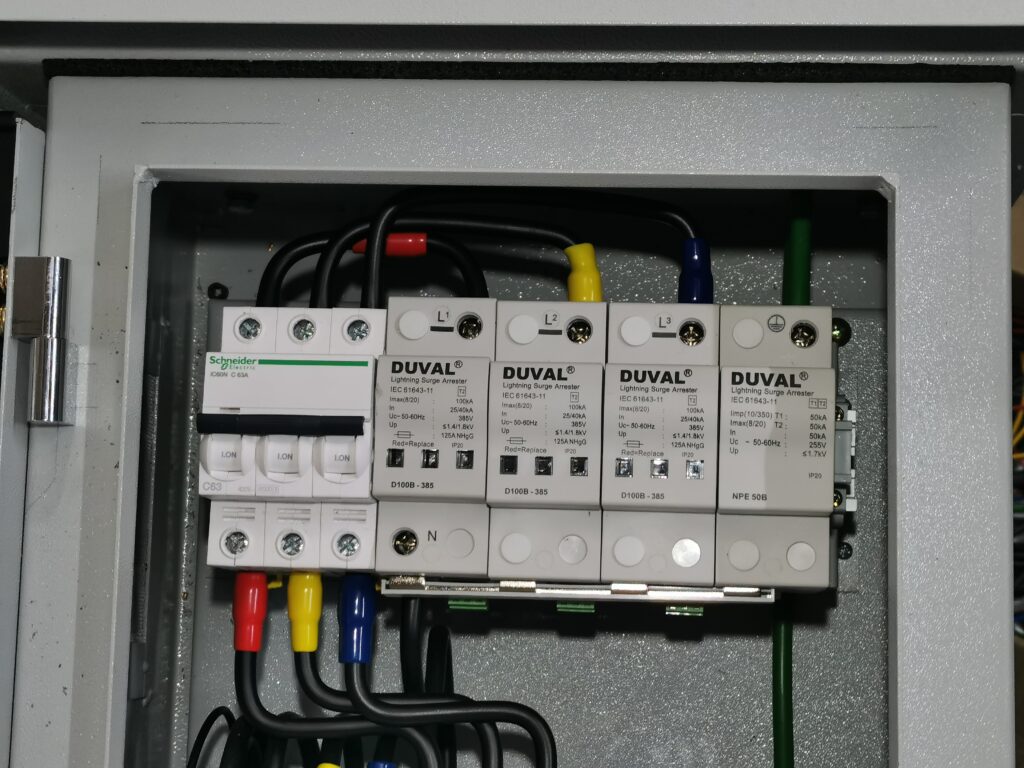
Home Surge Protectors
Protect your appliances and electronics from voltage spikes with professionally installed surge protection built for Minnesota’s unpredictable grid.

Whole Home Rewiring
Upgrade old or unsafe wiring with a complete, code-compliant rewire—built for today’s tech and tomorrow’s needs.
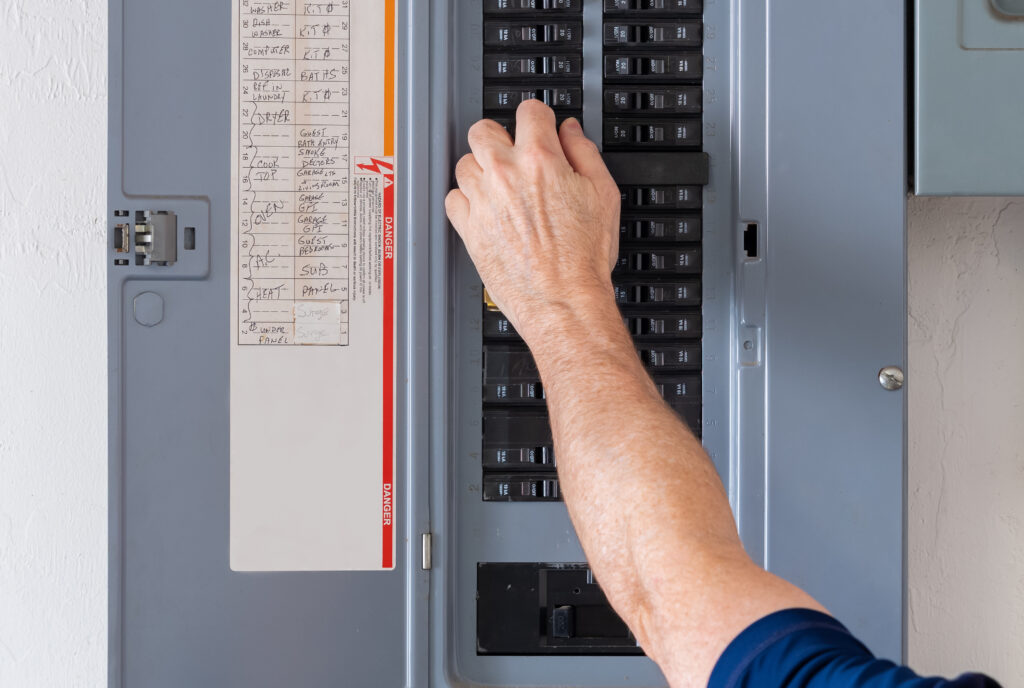
Electrical Panel Upgrades
Keep your home powered safely and reliably. We replace outdated panels and add capacity for modern living—done to code, done right.